Detox Series Part 1 - Is Sugar Controlling You?
Aug 10, 2026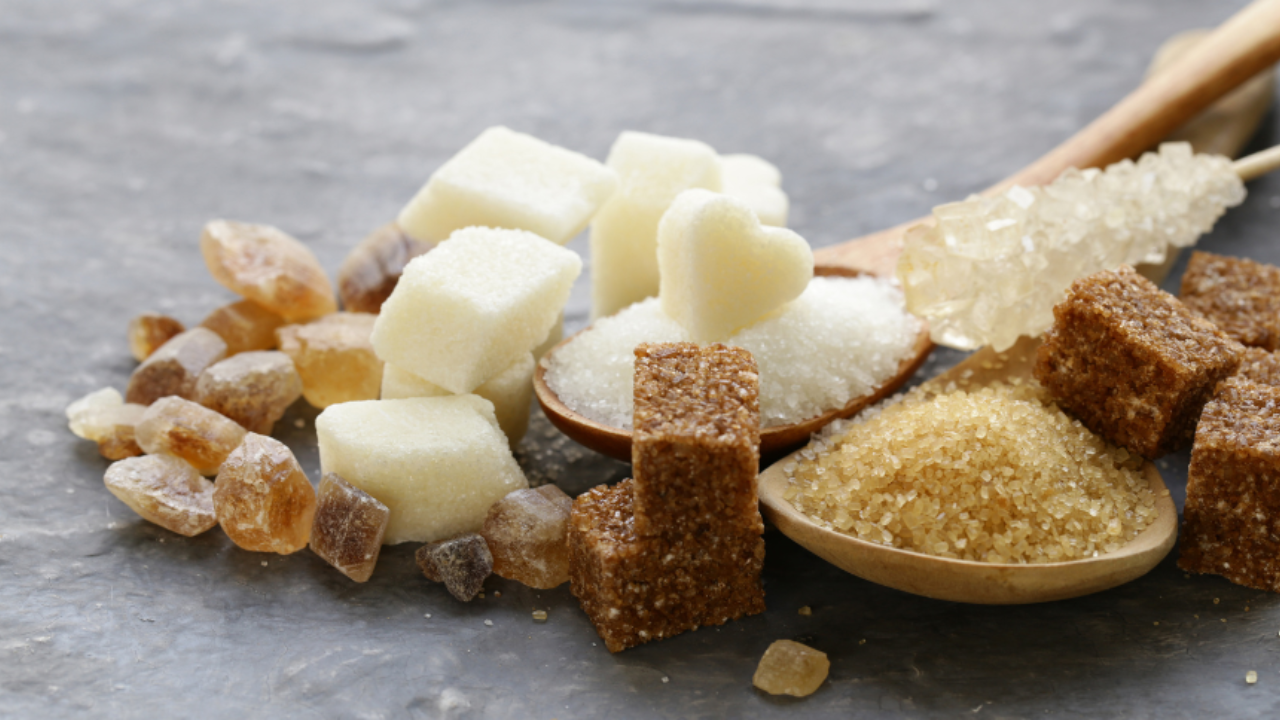
Is Sugar Controlling You? The First Step Toward Freedom
As Catholics we know food is a gift from God and meant to be enjoyed with gratitude. Temperance helps us enjoy good things in the right way, at the right time, and in the right measure—so that good things do not become things that master us. Just because something is good doesn’t mean that it’s good for me. Having the freedom to do something does not mean it is wise or good to do, and I should not let some habits control me.
“All things are lawful to me: but all things are not expedient. All things are lawful to me: but I will not be brought under the power of any.” 1 Corinthians 6:12 (Douay-Rheims)
I grew up with a compulsive overeater, it was dangerous to have sugar in the house. Sugar isn't classified as a drug, but modern research shows that added sugar powerfully activates the brain's reward system, making it remarkably difficult for many people to consume in moderation. In our house, it may as well have been classified as a drug - it’s effects were detrimental in mind, body and soul.
Americans consume far too much added sugar.
According to the CDC, 3 out of every 5 Americans consume more added sugar than recommended. Adult women average approximately 15 teaspoons of added sugar each day, while men average about 19 teaspoons. The primary sources aren't the sugar bowl—they're sugar-sweetened beverages, desserts, sweet snacks, and sweetened coffee drinks.
For perspective:
- 1 teaspoon = 4 grams
- Women average ~60 g/day
- Recommended Daily Value on food labels = 50 g/day about 12 teaspoons - This is INSANE!
- Some research suggests even lower intakes may provide additional health benefits.
Fifty grams of added sugar sounds like a lot (because it is!)— until we realize it can be consumed before the day is even half over. A flavored coffee, a sweetened yogurt, and a packaged snack may not feel like a "sugar overload," but our bodies experience the cumulative effect.
As Integrated Catholic Women it would be good to consider that twelve teaspoons of sugar is the amount many women are trying not to exceed in an entire day—but one sweetened beverage can deliver more than that in minutes. As we work to improve our habits around sugar be aware of added sugar and naturally occurring sugar in your food. The goal is not fear of food but instead it is learning to recognize foods that nourish the body we have been entrusted with.
- An apple contains sugar, but it also comes packaged with fiber, water, vitamins, minerals, and phytonutrients.
- A soda contains added sugar without those protective nutrients.
Where is the sugar coming from?
You may be thinking, “I don’t eat candy” or “I don’t drink soda,” but added sugar often hides in:
- yogurt
- salad dressing
- pasta sauce
- protein bars
- breakfast cereal
- flavored oatmeal
- coffee drinks
- granola
What sugar does in the brain
Here's where the science gets fascinating.
When we eat foods high in added sugar:
- dopamine is released
- the brain records the experience as rewarding
- repeated exposure increases the desire to seek those foods again
Every time we repeatedly flood our brain with highly sweet foods, we're teaching it to crave them. Over time, what once tasted sweet becomes normal, and our taste buds—and our brains—begin asking for more. Our bodies are hungry for what we feed it, and our brains are keeping score.
Blood sugar roller coaster
Thinking about the last time you had a dessert or a meal that contained high amounts of sugar this is what was likely happening in your body:
Sugar → rapid glucose rise → large insulin release → blood sugar crash → fatigue → brain fog → cravings → more sugar
When insulin rises in our female bodies, estrogen production also rises and when there’s excess estrogen that interferes with FSH, which interferes with a healthy ovulatory cycle (more on that here).
Over time high intakes of added sugar are associated with increased risk of:
- insulin resistance (which can lead to one form of PMOS/PCOS)
- type 2 diabetes
- obesity
- cardiovascular disease
- nonalcoholic fatty liver disease
- dental decay
In fact, the CDC specifically identifies excess added sugar intake as contributing to weight gain, obesity, type 2 diabetes, and heart disease. Sugary beverages are also linked to gout and fatty liver disease. Daily nutrition that is high in added sugars is associated with increased inflammation and metabolic dysfunction.
Know the Names Sugar Hides Under
Added sugars are in more foods than you might think. Some are obvious like “date sugar” but many names can be misleading. Start by checking the labels of the food in your home and you may be surprised how sneaky sugar can be. Here are a few names for hidden sugars:
Barley Malt, Barley Malt Syrup, Buttered Syrup, Cane Juice, Honey, High Fructose Corn Syrup, Malt Syrup, Maltol, Cane Juice Crystals, Maltose, Caramel, Mannose, Carob Syrup, Maple Syrup, Corn Sweetener, Molasses, Corn Syrup, Muscovado, Panocha, Dehydrated Cane Juice, and Refiners Syrup - just to name a few!
Begin “Detoxing” Your Nutrition Today
Here are some simple swaps to begin moving away from the effects of sugar in mind and body as we reinforce abundance rather than deprivation:
|
Instead of |
Try |
|
Soda |
Sparkling water with citrus |
|
Sweetened yogurt |
Plain Greek yogurt with berries and cinnamon |
|
Candy |
Apple slices with almond butter |
|
Breakfast cereal |
Eggs with fruit |
|
Granola bar |
Mixed nuts and berries |
|
Sweet coffee |
Coffee with cream and cinnamon |
Our free will is one of God's greatest gifts. Yet many of us find ourselves reaching for food not because we are truly hungry, but because we are tired, anxious, lonely, angry, or overwhelmed.
A sugar detox is not about punishment, perfection, or creating fear around food. It is about removing the noise so we can begin to listen—to our bodies, to our deeper needs, and most importantly, to the gentle guidance of the Holy Spirit.
The virtue of temperance reminds us that freedom does not mean simply giving in to every desire we experience. True freedom comes when our desires are brought back into right order—when we are no longer controlled by cravings, but are able to make choices that reflect what is truly good for us.
Caring for our bodies is part of honoring the gift God has entrusted to us. As we step away from the things that keep us bound, we create space for greater health, greater peace, and the freedom to share more fully in His Divine Life.
Are you discerning a call to better nutrition and Living Integrated©? If so, reach out to me today and book a comprehensive 90 Minute 1:1 Strategy Session where you can begin to live the life you are created for.
Stay connected with news and updates!
Join the Integrated Catholic Woman Community and receive the latest news and updates, as well as special member discounts.
We hate SPAM. We will never sell your information, for any reason.