2026 Supplement Series: Selenium: The Small Mineral That Matters to Your Thyroid
Sep 18, 2026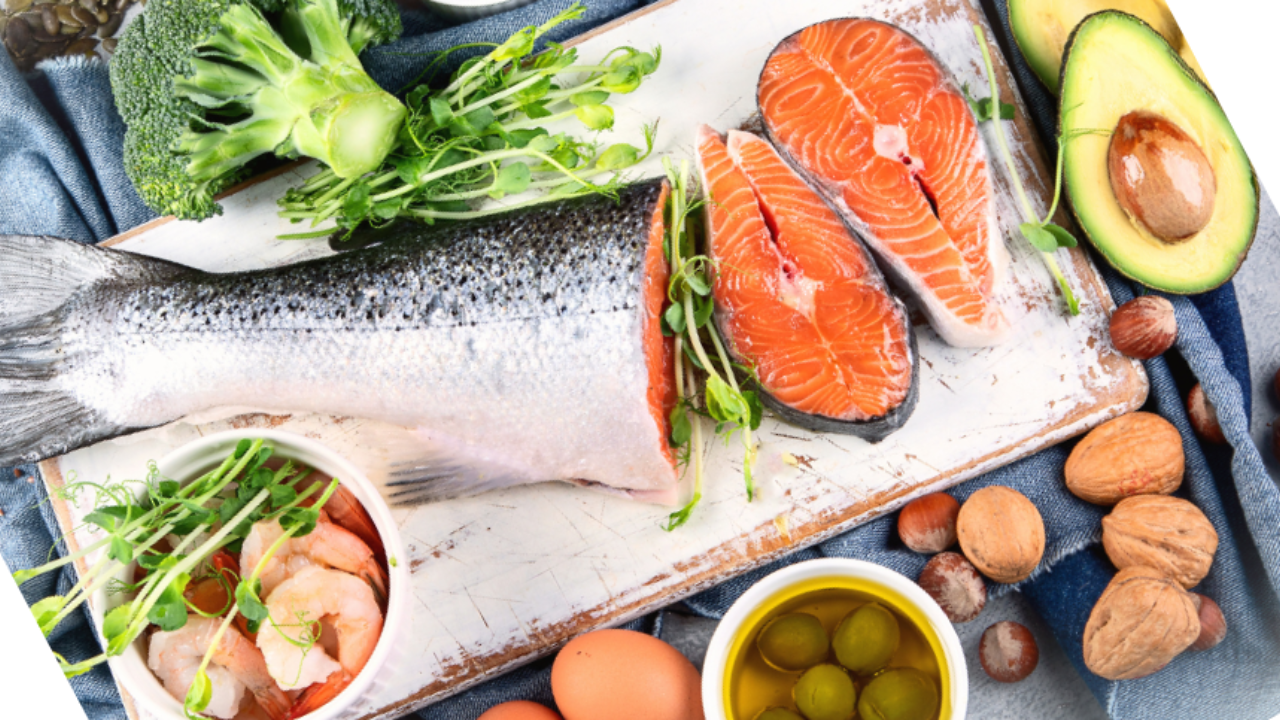
Have you ever stopped to think about the tiny nutrients your body needs to do some very important work?
We often talk about thyroid health in terms of TSH, T3, T4, medications and lab results. And those things certainly matter. But your thyroid also depends on a number of nutrients to support normal hormone production and metabolism.
One of those nutrients is selenium.
Selenium is an essential trace mineral, meaning your body needs it in relatively small amounts—but those small amounts play some pretty important roles.
And when we're talking about women's health, hormones and metabolism, selenium is especially interesting because of its connection to the thyroid.
Let's take a closer look.
What exactly is selenium?
Selenium is a mineral that your body uses to make special proteins called selenoproteins. These proteins are involved in several important processes, including thyroid hormone metabolism, protection from oxidative damage, reproduction, DNA synthesis and immune function.
In other words, selenium isn't just another supplement being promoted on social media.
It is a nutrient your body genuinely needs.
And here's something especially interesting:
The thyroid contains more selenium per gram than any other organ in the body.
That gives us a clue about just how important selenium is to thyroid function.
Selenium and your thyroid
Your thyroid produces thyroid hormones that influence many aspects of your health, including metabolism, energy production and other body functions like your ovulatory cycle and immune system.
Selenium-dependent enzymes help with the synthesis and metabolism of thyroid hormones, including the conversion of T4 into T3. Selenium also contributes to the antioxidant systems that help protect the thyroid from oxidative stress.
This is one reason I like talking about selenium as part of the whole picture of hormone health.
But here's an important distinction:
Selenium supports thyroid function. It does not “fix” your thyroid or automatically balance your hormones.
There is a tendency in the supplement world to take one nutrient, one symptom or one lab value and turn it into a simple solution.
Women's bodies are rarely that simple.
Your thyroid, metabolism, reproductive hormones, sleep, nutrition, stress, movement and overall health are all part of a much bigger picture.
What about Hashimoto's?
This is where the research around selenium gets particularly interesting.
Several clinical trials and systematic reviews have looked at selenium supplementation in people with Hashimoto's thyroiditis. Some research has found reductions in thyroid antibodies, particularly thyroid peroxidase antibodies (TPOAb), although results across studies have not been completely consistent. A 2024 systematic review and meta-analysis of randomized clinical trials found that selenium supplementation was associated with reductions in TSH and TPO antibodies in certain groups with Hashimoto's, but changes were not seen across all thyroid measures.
So, yes—there is legitimate research here.
But this does not mean that every woman with Hashimoto's should automatically start taking selenium.
It means selenium is worth understanding and, when appropriate, discussing with your healthcare team.
Your individual health history, diet, medications, laboratory findings and overall nutritional status all matter.
How much selenium do you need?
For most adult women, the recommended dietary allowance is 55 micrograms (mcg) per day. During pregnancy, the recommendation increases to 60 mcg, and during breastfeeding to 70 mcg.
And here's something I really want women to remember when we're talking about supplements:
The goal isn't to get as much as possible. The goal is to get enough.
Selenium is a perfect example.
The adult tolerable upper intake level is somewhere around 400 mcg per day from all sources. Consistently consuming too much selenium can cause toxicity, or selenosis. Symptoms can include hair loss, brittle or lost nails, nausea, diarrhea, fatigue, irritability, a metallic taste or garlic-like breath, skin problems and nervous-system symptoms.
So more selenium is not necessarily better for your thyroid—or your health.
Can you get selenium from food?
Absolutely.
And this is where I like to start.
Food first whenever possible.
Selenium is naturally found in a variety of foods, particularly foods that contain protein.
Excellent Sources of Selenium: fish, seafood, poultry. Eggs are a good source along with dairy (if tolerated). Whole grains, beans and lentils can contribute to selenium levels also. Nuts vary considerably in their selenium availability.
The selenium content of plant foods can vary depending on the amount of selenium in the soil where they are grown.
This is one reason I don't want you to look at nutrition as a collection of isolated nutrients.
Instead, think variety.
A well-rounded nutrition plan that includes adequate protein, seafood or other selenium-containing foods, vegetables, fruits, whole grains or other nutrient-dense carbohydrates (our community calls them "smart carbs" ), healthy fats and other minimally processed foods can help you meet many of your nutritional needs without having to chase individual nutrients all day long.
And then there are Brazil nuts…
You've probably heard that Brazil nuts are an excellent source of selenium.
They are.
In fact, they're very high in selenium—which is exactly why we need to be thoughtful about them.
NIH data estimates that a single Brazil nut may contain approximately 68–91 mcg of selenium, although the amount can vary considerably from nut to nut.
That means eating a large handful every day because you heard they're “good for your thyroid” isn't necessarily a good idea.
Remember:
More isn't better.
And because selenium can come from food, multivitamins, thyroid supplements and other products, it's important to consider your total intake, not just one source.
Could low selenium be causing my symptoms?
This is an important question—and one where I want to slow us down a little.
You may see lists online connecting selenium deficiency with symptoms such as:
- fatigue
- hair changes
- muscle weakness
- brain fog
- thyroid problems
- weakened immunity
But here's the problem:
Those symptoms are not specific to selenium deficiency.
Fatigue, brain fog, hair changes and changes in metabolism can have many different causes.
So if you're experiencing symptoms, don't assume you've found the answer because a supplement website told you that you're deficient in selenium.
Instead, ask a better question:
What is my body telling me, and what do I need to investigate?
That is a much more empowering place to begin.
Should you take a selenium supplement?
Maybe.
And maybe not.
This is exactly where I want you to involve your healthcare team.
If you have thyroid disease, Hashimoto's, a restricted diet, concerns about your nutritional status, or you're considering adding selenium to your supplement routine, talk with your physician, pharmacist, registered dietitian or other qualified healthcare professional in your therapeutic alliance.
And bring your whole supplement list with you.
Why?
Because selenium can be found in multivitamins, thyroid-support supplements and other combination products. You don't want to unknowingly add multiple sources together.
Your healthcare team can help you determine whether supplementation makes sense for you and whether there are medication or health considerations that need to be taken into account.
This is especially important if you're already being treated for a thyroid condition.
Supplements can complement good healthcare—but they shouldn't replace it.
A little mineral. A bigger lesson.
I think selenium gives us a beautiful example of why I talk so much about looking at the whole woman.
Your body doesn't operate in isolated compartments.
Your thyroid doesn't exist separately from your metabolism.
Your hormones don't exist separately from your nutrition.
Your nutrition doesn't exist separately from your sleep, movement, stress, relationships and daily habits.
And your physical health doesn't exist separately from your mind and soul.
This is why at Integrated Catholic Woman, we talk about Mind, Body and Soul.
Caring for your health isn't about finding the perfect supplement or eliminating every symptom.
It's about learning.
It's about paying attention.
It's about making wise choices.
It's about knowing when you can make a lifestyle change and knowing when it's time to bring a question to your healthcare team.
And sometimes, something as small as a trace mineral reminds us just how beautifully and intricately God designed the human body.
The takeaway
Selenium is a small but important nutrient that plays a significant role in thyroid hormone metabolism and antioxidant protection.
You can get selenium through a variety of foods, and most women can meet their needs through a balanced diet.
If you have thyroid concerns or are wondering whether selenium supplementation is appropriate for you, don't guess—and don't simply follow the latest supplement trend.
Talk with your healthcare team.
Learn what your body needs.
And then make an informed, intentional choice.
Because Living Integrated© isn't about doing more. It's about learning to care well for the woman God created you to be—Mind, Body and Soul.
Your body is worth understanding.
Want to learn more about Living Integrated©? Join the community or Explore 1:1 Coaching today.
Stay connected with news and updates!
Join the Integrated Catholic Woman Community and receive the latest news and updates, as well as special member discounts.
We hate SPAM. We will never sell your information, for any reason.